Explore Pu-erh Tea
Explore raw and ripe pu-erh, practical brewing methods and the tradeoffs between loose leaves and compressed portions.
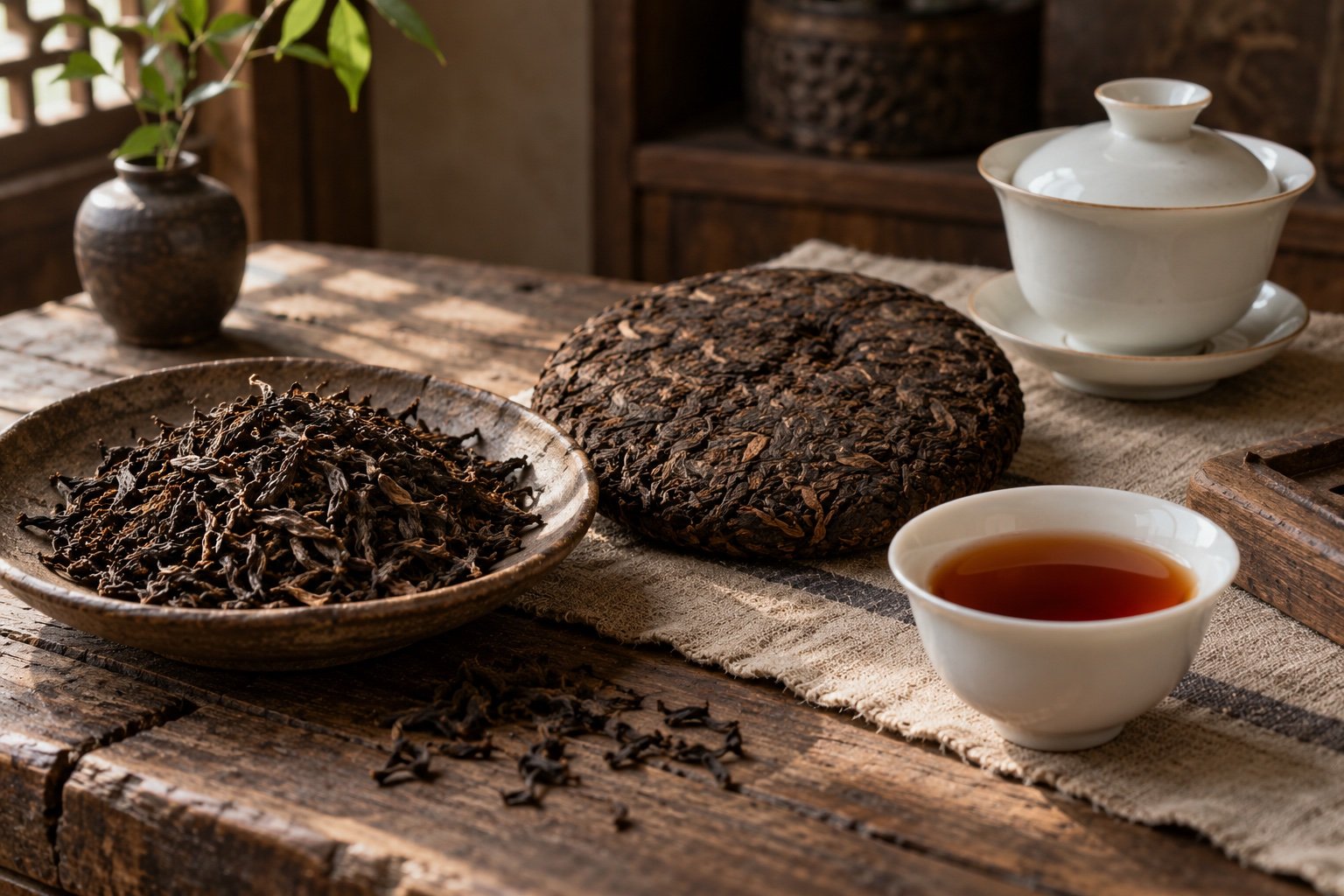
Best Pu-erh Tea Buying Guides
SEE ALL →
Pu-erh Tea Comparisons
SEE ALL →
Pu-erh Tea Guides
SEE ALL →
Latest Pu-erh Tea Reviews
SEE ALL →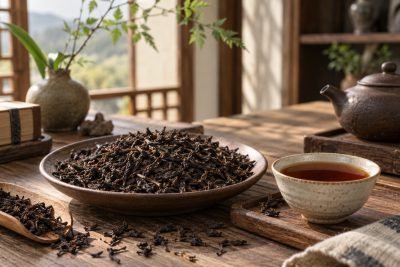
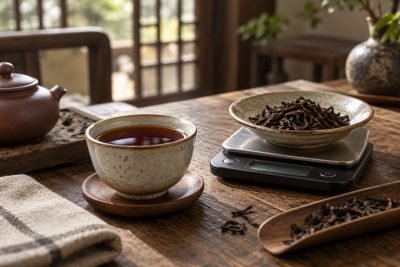
Ripened Aged Loose Pu-erh 2013
Mengyou Town, Fengqing County, Lincang, Yunnan, China · March–June 2013 (seller-stated)
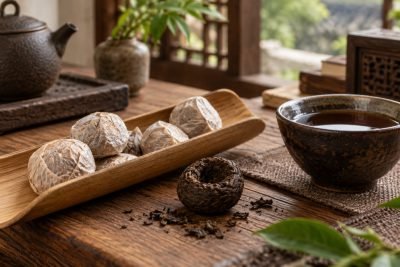
Ripened Aged Pu-erh Mini Tuocha
Simao (Pu’er), Yunnan, China · April 1, 2024 (seller-stated)
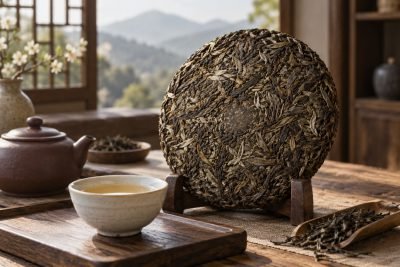
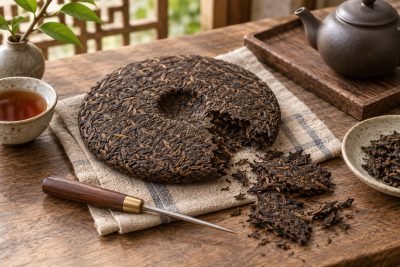
Fengqing Da Xue Shan Raw Pu-erh Cake
Mengyou and Xueshan, Fengqing, Lincang, Yunnan, China · Unresolved: summary April 10, 2021; body 2018; older title 2016


Frequently Asked Questions
Does pu-erh have to come in a cake?
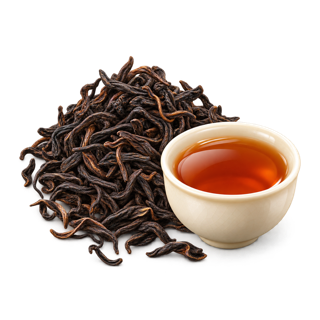
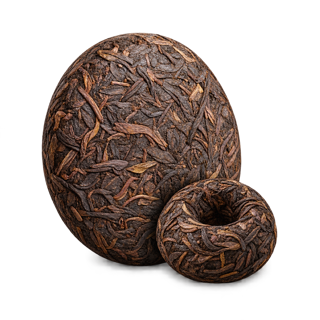
No. This cluster covers a raw cake, loose ripe pu-erh and portioned mini tuocha. Loose tea avoids the cake-separation step; a compressed portion still needs to be matched to your brewing volume. The loose ripe pu-erh review is a starting point if you do not want to work with a cake.
Which should I compare first: raw or ripe pu-erh?
Compare exact examples before buying a large cake. The Da Xue Shan raw tea here is described with an initial bitterness and a sweet finish; the loose ripe tea has a darker liquor and aged, jujube-like notes in the merchant description. Those examples do not describe every raw or ripe tea. Our raw versus ripe guide develops the buying choice.
Should I buy pu-erh to drink now or to age?
For a first purchase, choose something you want to drink now. Do not treat age alone as a guarantee that you will like the tea, or that its value will rise. Follow the exact storage instructions and use our home storage guide before committing to a larger amount.