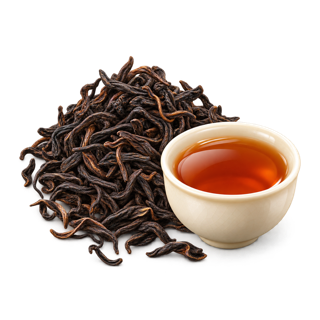
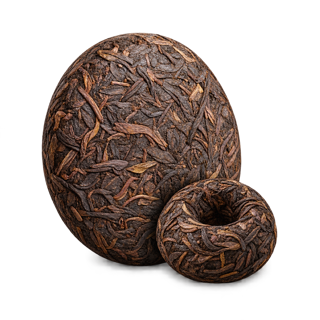
Ripened Aged Loose Pu-erh 2013 review: an earthy cup without a cake
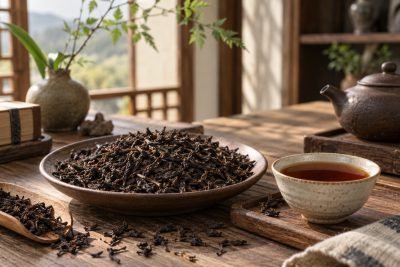
This loose ripe pu-erh is worth sampling when you want an earthy, woody drink and control over the amount of leaf. Its appeal is a rounded everyday cup; the evidence is less convincing if you expect a consistently complex session or want to avoid damp, cellar-like notes.
We may earn a commission if you buy through our links. Affiliate disclosure.
At a Glance
KEY FEATURES
- Ripe pu-erh
- Loose leaf
- 5 g / 355 mL / 100°C (212°F) / 5–8 minutes
Tea assessment
Research-based editorial assessment for the uses described below, not personal tasting or hands-on testing. Scores are qualitative judgments out of 5, separate from customer stars; historical feedback may cover other harvests or variants.
Earthy and woody character appeals to some and evokes damp or stable-like notes for others.
Rounded sweetness coexists with simpler or disappointing cups.
Loose leaf makes weighing straightforward; the cup and gongfu concentrations differ.
Layered sessions and early fading both occur despite the long printed sequence.
PROS
- Loose leaf is easy to portion without a cake-breaking step.
- Earthy and woody character can develop a rounded sweet finish.
CONS
- Damp or stable-like notes can be unwelcome.
- Complexity and later-infusion strength are not consistent across the evidence.
The loose format gives you a practical starting point
You can weigh a portion without separating a cake. That is useful when learning how the tea changes with dose, although it does not make its flavor automatically beginner-friendly. The current listing identifies a 2013 harvest range; historical customer feedback cannot verify how every present pack has been stored.
Earthiness can be the pleasure or the objection
The original feedback includes rounded, sweet and smooth impressions alongside damp, stable-like or overly simple flavor. Those are not equivalent descriptions of a universally mild tea. If damp-earth aromas are the reason you dislike ripe pu-erh, this is not a reliable way around that preference.
A long schedule is not a promise of a long session
The merchant provides ten drinking-infusion times. Customer feedback also includes tea becoming light after a few steeps, while other accounts describe a more layered experience. Use the schedule as a method and stop when the drink loses its appeal.
Loose ripe pu-erh: weighing a cup or gongfu dose
Cup & infuser
5 g / 355 mL / 100°C (212°F) / 5–8 minutes
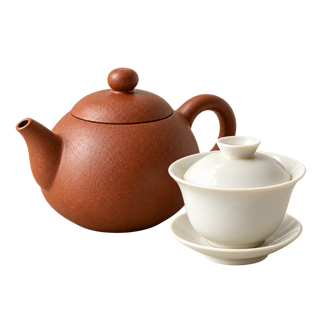
Gongfu & gaiwan
7 g / 110 mL / 100°C (212°F); rinse about 5 seconds; infusions 10, 15, 20, 30, 50, 70, 90, 120, 150, 200 seconds
Source: the exact merchant listing. These are documented starting instructions, not our own tasting results. Keep the methods separate and decant leaf infusions fully.
When earthiness or fading ends the session
| Your situation | Useful next step |
|---|---|
| Too strong at the first cup | Start at the lower end of the documented cup time and decant completely. |
| Later steeps seem empty | End the session rather than using the printed infusion count as a target. |
For the related decision, use How to Brew Pu-erh: Raw, Ripe and Mini Tuocha. Cool, dry, away from sunlight; keep ventilated. Check the merchant for the current selected-pack price.
Sources: reference 1.
Pros & Cons Analysis
Based on supplied customer reviews and verified product documentation
Pros
- The weighed loose format lets the drinker adjust the amount of tea without dismantling compressed portions; this is a preparation advantage rather than evidence of higher quality.
- Positive flavor descriptions include sweetness and a rounded texture, making the tea a plausible everyday choice for someone who already enjoys earthy ripe tea.
Cons
- Contrary accounts find the aroma or aftertaste too damp and animal-like. More careful brewing cannot be promised to remove a flavor family the buyer fundamentally dislikes.
- Some feedback describes simplicity or fading after several infusions. The listing’s long sequence should therefore not be converted into a guaranteed yield or a value calculation.
Loose ripe tea for adjustable portions
Where Ripened Aged Loose Pu-erh 2013 fits
Choose a small pack if you want to learn ripe pu-erh with a scale and prefer a woody, earthy cup.
Before a larger purchase
Choose mini tuocha for ready portions, not because it is proven smoother.
The preference that rules it out
Skip this loose tea if avoiding damp-earth aromas or securing a long, layered session is your main requirement.
Frequently Asked Questions
Is this based on your own tasting?
No. It combines original historical customer feedback with merchant information. Current-batch experience and personal testing are not claimed.
Are the profile scores measured?
No. The bars are qualitative editorial judgments from documented features and customer feedback, not measured tasting results. Customer stars are separate merchant aggregates.
Tea details
| Tea style | Ripe pu-erh |
|---|---|
| Leaf or powder format | Loose leaf |
| Seller-stated origin | Mengyou Town, Fengqing County, Lincang, Yunnan, China |
| Harvest / identity status | March–June 2013 (seller-stated) |
| Production date | Not specified |
| Cultivar | Fengqing large-leaf species |
| Cup or bowl starting method | 5 g / 355 mL / 100°C (212°F) / 5–8 minutes |
| Gongfu method | 7 g / 110 mL / 100°C (212°F); rinse about 5 seconds; infusions 10, 15, 20, 30, 50, 70, 90, 120, 150, 200 seconds |
| Storage | Cool, dry, away from sunlight; keep ventilated |
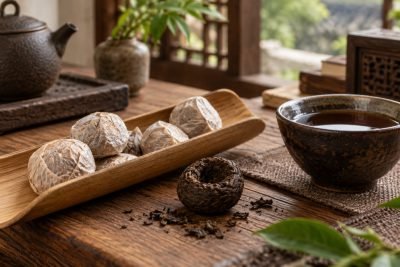
Ripened Aged Pu-erh Mini Tuocha
Simao (Pu’er), Yunnan, China · April 1, 2024 (seller-stated)
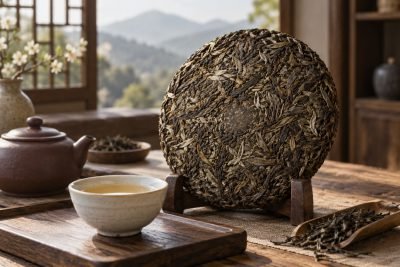
Fengqing Da Xue Shan Raw Pu-erh Cake
Mengyou and Xueshan, Fengqing, Lincang, Yunnan, China · Unresolved: summary April 10, 2021; body 2018; older title 2016