Ripened Mini Tuocha review: convenient portions with a firm earthy character
Mini tuocha suits a drinker who values a ready portion and likes earthy, woody tea. The portioning is convenient, but small leaf particles and divisive damp or fishy notes keep it from being an automatic first recommendation for everyone.
We may earn a commission if you buy through our links. Affiliate disclosure.
At a Glance
KEY FEATURES
- Ripe pu-erh
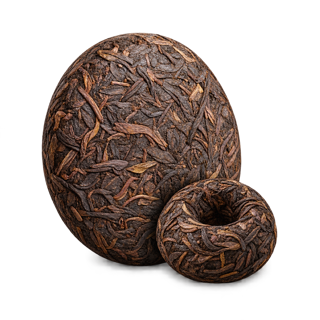
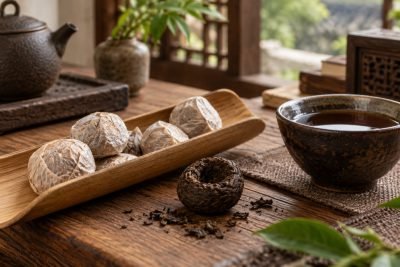
- Individually wrapped nest-shaped portions
- 1 piece / 355 mL / 100°C (212°F) / 2–5 minutes
Tea assessment
Research-based editorial assessment for the uses described below, not personal tasting or hands-on testing. Scores are qualitative judgments out of 5, separate from customer stars; historical feedback may cover other harvests or variants.
Earthy, woody character can also be experienced as fishy or stale.
Smooth sweetness coexists with sediment and small-particle concerns.
A ready piece removes weighing, but its exact gram weight is not established.
Some sessions develop sweetness; others fade before the scheduled infusions finish.
PROS
- Ready portions simplify a quick brewing routine.
- Earthy and woody flavor can give way to sweetness.
CONS
- Fine particles can escape into the cup.
- Damp, fishy or leathery impressions are a genuine taste objection.
- Later cups may fade before the listed sequence ends.
Convenience is the clearest reason to choose it
Original feedback specifically values using one piece instead of weighing loose leaf, including a workday routine. Match that piece to the documented water volume. A small nest is not a guarantee of mild strength, and the source does not establish an exact gram weight for each piece.
The cup is more divisive than the format
Smooth, sweet and woodsy descriptions coexist with leathery, fishy and stale-tasting impressions. Other feedback finds it too light rather than too strong. These differences should remain visible: the evidence does not establish a single experience for every current portion.
Plan how you will strain it
Reports of small leaves escaping a gaiwan and sediment in a mug matter if you dislike particles. A suitable strainer is a practical consideration, but it is not a promise of a completely clear cup. Historical comparisons with other years also do not establish how the current listing will age.
Mini tuocha: one piece, two distinct water volumes
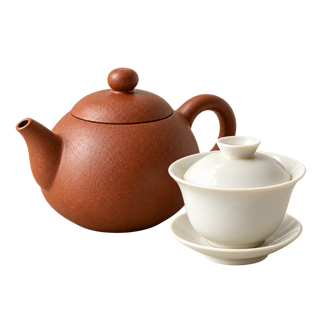
Cup & infuser
1 piece / 355 mL / 100°C (212°F) / 2–5 minutes
Gongfu & gaiwan
1 piece / 110 mL / 100°C (212°F); rinse 10 seconds; infusions 20, 15, 15, 30, 50, 80, 150 seconds
Source: the exact merchant listing. These are documented starting instructions, not our own tasting results. Keep the methods separate and decant leaf infusions fully.
Plan for sediment as well as strength
| Your situation | Useful next step |
|---|---|
| You want a workday cup | Use the documented one-piece cup method and an infuser that retains small leaf. |
| You dislike sediment | Decant through a suitable strainer; do not compensate with a longer steep. |
For the related decision, use Aged Loose Pu-erh 2013 vs Aged Mini Tuocha. Cool, dry, away from sunlight; keep ventilated. Check the merchant for the current selected-pack price.
Sources: reference 1.
Pros & Cons Analysis
Based on supplied customer reviews and verified product documentation
Pros
- The portion format addresses a concrete convenience need: brewing without weighing a bag of loose tea. It is most useful when the vessel is close to the recipe size.
- Positive accounts describe smooth texture and sweetness emerging through the session, which gives an interested ripe-tea drinker a reason to sample beyond the first earthy impression.
Cons
- Particle and sediment complaints are relevant to the brewing tool. A gaiwan user who dislikes leaf fragments should plan straining rather than assuming every nest opens into large intact leaves.
- The contrasting aroma reports cannot be reduced to beginners preparing tea incorrectly. Several kinds of earthy character appear, including notes that some drinkers actively dislike.
- Reports of fading sessions limit any claim that seven timed infusions equal seven equally satisfying drinks.
Mini tuocha for a ready portion
Where Ripened Aged Pu-erh Mini Tuocha fits
Choose mini tuocha for convenient portions when an earthy flavor and some straining effort are acceptable.
Before a larger purchase
Choose the loose ripe option if fine dose adjustment matters more than ready portions.
The preference that rules it out
If fishy or leathery notes would make the purchase unusable, sample before committing to a larger bag.
Frequently Asked Questions
Is this based on your own tasting?
No. It combines original historical customer feedback with merchant information. Current-batch experience and personal testing are not claimed.
Are the profile scores measured?
No. The bars are qualitative editorial judgments from documented features and customer feedback, not measured tasting results. Customer stars are separate merchant aggregates.
Tea details
| Tea style | Ripe pu-erh |
|---|---|
| Leaf or powder format | Individually wrapped nest-shaped portions |
| Seller-stated origin | Simao (Pu’er), Yunnan, China |
| Harvest / identity status | April 1, 2024 (seller-stated) |
| Production date | Not specified |
| Cultivar | Yunnan large-leaf species |
| Cup or bowl starting method | 1 piece / 355 mL / 100°C (212°F) / 2–5 minutes |
| Gongfu method | 1 piece / 110 mL / 100°C (212°F); rinse 10 seconds; infusions 20, 15, 15, 30, 50, 80, 150 seconds |
| Storage | Cool, dry, away from sunlight; keep ventilated |
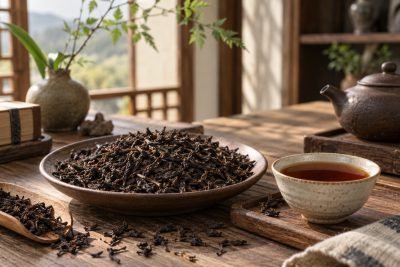
Ripened Aged Loose Pu-erh 2013
Mengyou Town, Fengqing County, Lincang, Yunnan, China · March–June 2013 (seller-stated)
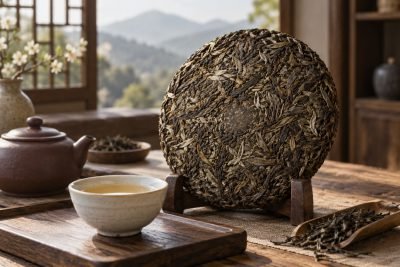
Fengqing Da Xue Shan Raw Pu-erh Cake
Mengyou and Xueshan, Fengqing, Lincang, Yunnan, China · Unresolved: summary April 10, 2021; body 2018; older title 2016