Premium Tai Ping Hou Kui review: long leaves, a light cup
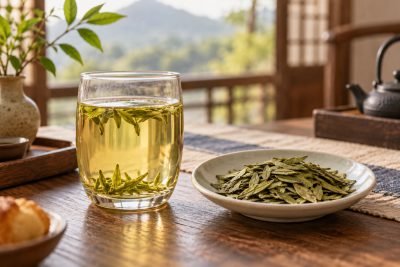
Premium Tai Ping Hou Kui suits a drinker who enjoys a gentle green tea and the sight of whole leaves opening in the vessel. The long, flattened leaf is part of the appeal, but it also makes a narrow infuser awkward. Sample it for delicacy and an unhurried cup, rather than expecting a powerful roasted flavor.
We may earn a commission if you buy through our links. Affiliate disclosure.
At a Glance
KEY FEATURES
- Tai Ping Hou Kui
- Houkeng, Xinming County, Huangshan, Anhui, China
- Cup: 10–15 pieces; weight not specified / 250 mL / 85°C / 185°F / 1–3 min
Tea assessment
Research-based editorial fit scores, not personal testing or measured intensity. Historical customer experiences may differ from the current batch.
Good fit for a delicate vegetal and floral cup with whole-leaf visual appeal.
Rounded, soft impressions coexist with very light cups and oversteeping dryness.
The long leaves need a roomy vessel; the cup recipe gives a piece count rather than grams.
Several enjoyable steeps are reported, but strength and persistence vary.
PROS
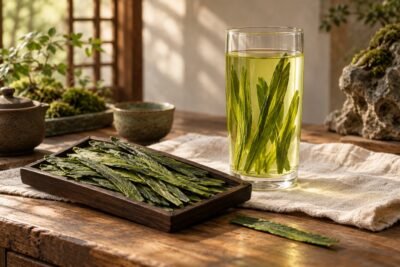
- Whole, long leaves make glass brewing visually engaging.
- Light vegetal and floral impressions suit a gentle cup.
- Some feedback supports enjoyable repeated infusions.
CONS
- The leaf shape can be awkward in small brewers.
- Delicacy may feel too light; oversteeping can still dry the finish.
Start with the vessel you actually use
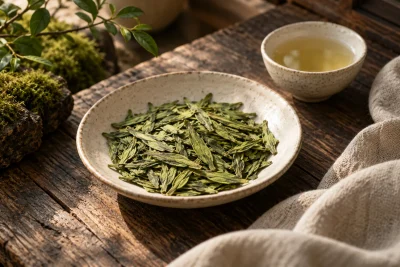
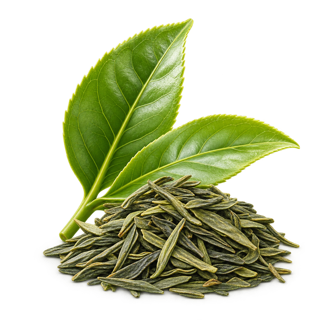
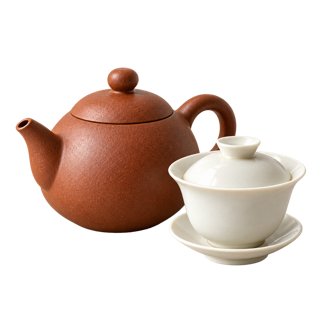
This is the Premium Tai Ping Hou Kui listing from TeaVivre, separate from its Nonpareil Cha Wang version. The dry leaf is broad and flat rather than rolled into small curls. Customer feedback draws attention to intact leaves and their movement in water; it also warns that they may not fit a small pot or gaiwan. A roomy, heatproof glass or open infuser makes more sense than forcing the leaves into a tight basket.
Choose the vessel before measuring the portion. If the leaves have to be broken to fit, you lose some of the visual experience you are buying this tea for. That does not make broken tea unusable, but it changes the reason to choose this format.
A quiet green profile, with room for disagreement
The original feedback brings together light vegetal flavor, savory umami, floral fragrance and occasional nutty impressions. Some cups are described as rounded or creamy; others are simply very mild. This is a meaningful difference in preference: a tea that feels clean and refreshing to one drinker can seem too faint or insufficiently distinctive to another.
The glass-brewing guide explains how to manage refills. If your usual green tea tastes weak, first compare a measured preparation with your normal routine; do not buy a large pouch on the assumption that longer leaves mean stronger tea.
Brewing starting points
The exact TeaVivre listing supplies these two preparations. Keep the dose, water and time together when choosing a method.
Cup method
10–15 pieces; weight not specified · 250 mL · 85°C / 185°F · 1–3 min. Separate the tea from the leaves after the timed steep. No cup-method rinse is specified.
Gongfu method
3 g · 110 mL · 85°C / 185°F. Infusions: 30, 45, 60, 90 s; rinse around 5 seconds. Decant each infusion fully.
Make the second cup informative
Keep the water and vessel consistent, and note whether the first cup is pleasant but light or actually dry and bitter. For a light cup, try the longer end of the documented cup range next time. For dryness, shorten contact time first. Change one setting at a time so the result tells you something useful.
Positive reports describe several enjoyable infusions, but these span older purchases and different preparations. Continue while the taste appeals to you; the four-step gongfu schedule is a starting sequence rather than a promise of four equally strong cups. Store the remaining leaf carefully using the green-tea storage routine.
Pros & Cons Analysis
Based on supplied customer reviews and verified product documentation
Pros
- The presentation earns its space. Reports of intact, unfolding leaves make an open vessel a useful part of the experience. The benefit matters most if watching the brew is part of your routine.
- There is appeal beyond appearance. Savory, sweet and floral impressions support choosing it for a subtle green profile. Nutty notes occur, but should not be treated as a uniform flavor across harvests.
- A session can continue. Some accounts retain character across several steeps. That supports trying another infusion, not calculating a guaranteed cost per cup.
Cons
- Check the opening of your infuser. The long leaf may not sit comfortably in a compact gaiwan or basket. Buying a special vessel only for this tea changes the purchase decision.
- Intensity and tolerance are separate questions. Very mild impressions coexist with oversteeping-related astringency. Simply steeping indefinitely may add dryness without creating the full flavor you wanted.
Our verdict
Choose a sample if you want a visually distinctive, gentle green tea and already have room for its leaves. It is less persuasive for someone seeking a strong cup from a tiny infuser. Keep the brew measured before deciding whether its delicacy is a pleasure or a limitation.
Frequently Asked Questions
How many grams are 10–15 leaves?
The merchant gives a piece count for the cup method without a weight conversion. Weigh your own portion if you want repeatability; do not substitute an invented gram equivalent.
Is this the Nonpareil Tai Ping Hou Kui?
No. This review covers Premium Tai Ping Hou Kui. The Nonpareil Cha Wang listing is a separate product.
Tea details
| Tea style | Tai Ping Hou Kui |
|---|---|
| Seller-stated origin | Houkeng, Xinming County, Huangshan, Anhui, China |
| Cultivar | Shidacha |
| Harvest date | 2026-04-14 |
| Cup method: leaf | 10–15 pieces; weight not specified |
| Cup method: water | 250 mL |
| Cup method: temperature | 85°C / 185°F |
| Cup method: time | 1–3 min |
| Gongfu method: leaf | 3 g |
| Gongfu method: water | 110 mL |
| Gongfu method: temperature | 85°C / 185°F |
| Gongfu infusion sequence | 30, 45, 60, 90 s; rinse around 5 seconds |
| Seller storage instructions | Airtight, opaque packaging; refrigerated |