Bi Luo Chun review: lively green flavor with a drying edge
Bi Luo Chun is the more exploratory choice for a reader interested in crisp green flavor, fruit or floral hints and a textured finish.
We may earn a commission if you buy through our links. Affiliate disclosure.
At a Glance
KEY FEATURES
- Style: Bi Luo Chun
- Seller-stated origin: Taihu Lake, Jiangsu Province, China
- Listed harvest: 2026-04-10
- Cup recipe: 2.5 g / 250 mL / 85°C / 185°F / 3–5 min
Tea assessment
Research-based editorial assessment for the uses described below, not personal tasting or hands-on testing. Scores are qualitative judgments out of 5, separate from customer stars; historical feedback may cover other harvests or variants.
Fruit, corn and nut impressions provide interest; aromatic intensity is inconsistent.
Crispness can become an unwelcome drying finish.
Careful dose and timing matter; isolated dusty or grainy cups also warrant checking the leaf.
Flavor can develop across steeps, while later cups sometimes lose their appeal.
PROS
- Crisp green flavor with fruit or nut notes
- Flavor can change across short steeps
CONS
- Dryness and bitterness can dominate
- Floral complexity is inconsistent
- Some samples contain noticeable fine material
Customer impressions range from refreshing and nutty to flat or markedly astringent. The practical decision is whether you enjoy that brighter, sometimes drying character enough to work carefully with the brew.
Look beyond the curled leaf
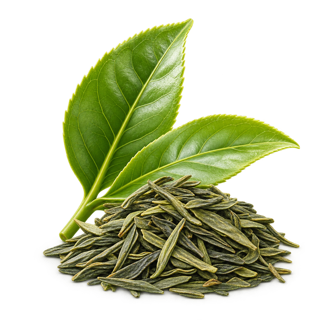
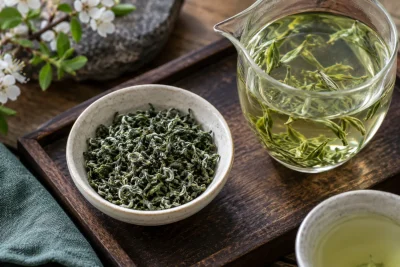
The current listing describes curled buds and leaves from the Taihu Lake area. Attractive leaf shape is useful for identifying the style, but it does not settle the cup. The read set includes green, corn-like, fruity and nutty impressions; floral intensity is much less consistent than the most enthusiastic descriptions suggest.
Astringency is a deciding preference
Some drinkers welcome a crisp or mildly astringent finish, while others describe a dry mouth or later infusions becoming unpleasant. Start with the exact short-infusion schedule if using a gaiwan. A weaker brew is not automatically a better one, but an enjoyable first cup should not pressure you to finish every scheduled infusion.
Bi Luo Chun: measure the dose before judging dryness
Cup & infuser
2.5 g / 250 mL / 85°C / 185°F / 3–5 min. Begin at the lower end of the stated time range, then separate the leaves from the drink. Taste before changing one setting in the next cup.
Gongfu & gaiwan
4 g / 110 mL / 85°C / 185°F. Rinse: not specified in this recipe. Drinking infusions: 15 → 15 → 20 → 30 → 50 → 70 → 90 seconds. Pour off each infusion before the next.
Source: the exact merchant brewing instructions, checked October 3, 2026. These are starting recipes, not in-house test results.
Separate astringency from insufficient flavor
| What matters to you | What to try or consider |
|---|---|
| Later cups become dry | Keep the short timing separate from the cup recipe. End the session when the drying finish outweighs the flavor you enjoy. |
| You wanted a softer tea | Compare a small Mao Feng sample rather than assuming a longer steep will reveal the softness you are missing. |
For a wider preparation or selection decision, use longjing vs bi luo chun: choosing a green tea style. The recipe here remains the starting point for this exact tea.
For storage, the merchant specifies: Store in airtight, opaque packaging; keep refrigerated.
Review basis: selected original customer feedback across harvests, combined with merchant documentation; no personal tasting or customer-consensus calculation.
Pros & Cons Analysis
Based on supplied customer reviews and verified product documentation
Pros
- A different green-tea direction. The feedback supports considering this tea when familiar Dragon Well feels too predictable. Fruit, corn and nut impressions offer a reason to compare styles, although no single note is assured for every harvest.
- A session can reveal more than the first cup. Descriptions include a transition from fruit or floral impressions toward nutty flavor and a sweeter finish. That makes attentive, short brewing relevant to the appeal rather than just a technical alternative.
Cons
- The finish may not suit a soft-cup drinker. Contrary experiences include strong astringency and later cups losing their appeal. The difference is not evidence of a universal brewing fault; it is a reason to sample before choosing a large pack.
- A premium name does not guarantee an aromatic leap. Several assessed texts find the tea ordinary, muted or less floral than hoped. Buy for the flavor family you want to explore, not for an expectation that a grade word proves refinement.
- Check the leaf and strain if needed. The evidence includes isolated reports of dust or a grainy cup. Those do not establish a current batch defect or failure rate, but they make leaf condition worth inspecting on arrival.
Bi Luo Chun suits a livelier green-tea preference
Where Bi Luo Chun Green Tea fits
Try Bi Luo Chun for a lively green cup and a session whose character can shift.
Before a larger purchase
Choose a gentler alternative if a drying finish is a strong dislike.
Before a larger purchase
The evidence supports a style exploration, not a guaranteed upgrade over Dragon Well.
Frequently Asked Questions
What is the cup recipe for this tea?
2.5 g / 250 mL / 85°C / 185°F / 3–5 min. Use the current pack instructions if its identity differs.
Is this based on your own tasting?
No. It synthesizes original customer feedback and merchant documentation. The assessment bars are research-based suitability judgments, not personal tasting results.
How should I store it?
Store in airtight, opaque packaging; keep refrigerated. Follow the instructions supplied with your exact pack.
Tea details
| Tea style | Bi Luo Chun |
|---|---|
| Seller-stated origin | Taihu Lake, Jiangsu Province, China |
| Cultivar | Small-leaf tea bush species |
| Harvest date | 2026-04-10 |
| Cup method: leaf | 2.5 g |
| Cup method: water | 250 mL |
| Cup method: temperature | 85°C / 185°F |
| Cup method: time | 3–5 min |
| Gongfu method: leaf | 4 g |
| Gongfu method: water | 110 mL |
| Gongfu method: temperature | 85°C / 185°F |
| Gongfu infusion sequence | 15, 15, 20, 30, 50, 70, 90 s; rinse: not specified in this recipe |
| Seller storage instructions | Store in airtight, opaque packaging; keep refrigerated |
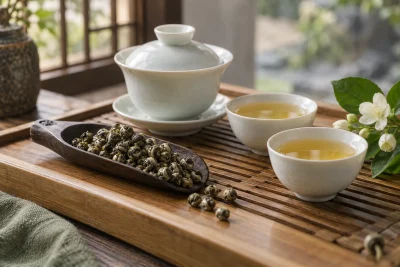
Premium Jasmine Dragon Pearls Green Tea
Fuding City, Fujian Province · 2026-04-30
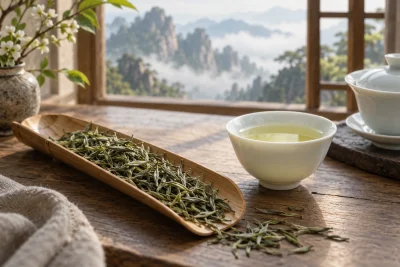
Huang Shan Mao Feng Green Tea
Da Guyun village, Shexian(歙县), Huangshan, Anhui Province · 2026-04-16
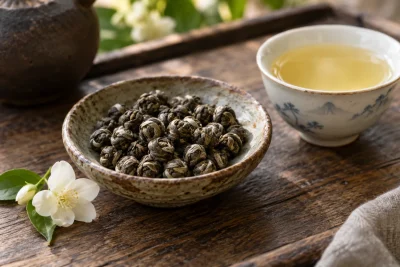
Jasmine Dragon Pearls Green Tea
Jasmine - Hengxian County, Nanning City, Guangxi Province Green Tea - Jinggu County, Puer City, Yunnan Province · 2026-04-13