Song Zhong Dancong review: a lingering finish with a brewing tradeoff
Song Zhong is for a drinker interested in the finish after swallowing: sweet, tangy and floral impressions can continue beyond the sip. It is not automatically the easiest Dancong. The evidence includes rewarding long sessions as well as bitterness with the recommended starting method.
We may earn a commission if you buy through our links. Affiliate disclosure.
At a Glance
KEY FEATURES
- Light-baked Song Zhong Dancong
- Song Zhong
- Cup: 3 g / 355 mL / 100°C (212°F) / 5–8 min
Tea assessment
Research-based editorial fit scores, not personal testing or measured intensity. Historical customer experiences may differ from the current batch.
Complex aftertaste is a distinct strength for an attentive drinker.
Smooth texture and sweet returns coexist with astringency.
Reported bitterness even at the listed start lowers ease of use.
Strong endurance reports conflict with weak or short sessions.
PROS
- A developing sweet-tangy finish provides interest.
- A sustained session is possible.
CONS
- The official start may be too bitter for some drinkers.
- Aroma and complexity can fall short of the grade expectation.
The finish is the strongest reason to try Song Zhong
The most informative original accounts describe a changing sweet-tangy impression after swallowing, with fruit and flowers continuing beyond the sip. Some also find woody or musky depth. That gives Song Zhong a clear purpose for an attentive session even when the immediate perfume is not the strongest in a Dancong selection.
It is also possible to find that promise unfulfilled. The feedback includes weak aroma, insufficient complexity and disappointing endurance, alongside long, flavorful sessions. Nonpareil and old-tree positioning do not decide which experience a new buyer will have.
The official recipe is a baseline with a known objection
An original account specifically reports overpowering bitterness at the recommended gongfu timings and prefers shorter early pours. Another reports prolonged bitterness with a dense traditional preparation. Those conditions should not be blurred into a claim that all Song Zhong is bitter, but they make an unqualified “easy to brew” recommendation inappropriate.
Cup
3 g / 355 mL / 100°C (212°F) / 5–8 min. Decant at the chosen time. The cup instructions do not specify a rinse.
Gongfu
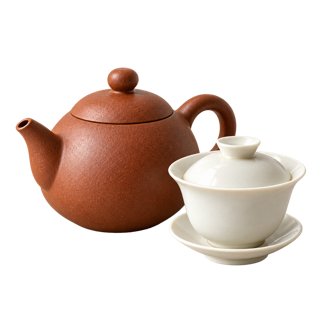
8 g / 110 mL / 100°C (212°F). Approximately 5 seconds. Infusion sequence: 10, 10, 15, 15, 20, 25, 30, 35, 40, 50, 70, 90, 120 seconds. Drain fully between pours.
The cards preserve TeaVivre’s Song Zhong instructions. If you use them and bitterness obscures the finish, shorten the next contact while holding dose and temperature steady. That is an editorial adjustment to evaluate, not a replacement recipe guaranteed to rescue the tea.
Count worthwhile cups, not possible pours
A long sequence can tempt you to keep brewing until something finally becomes pleasant. This tea’s reported endurance is genuinely divided: a sustained, interesting session is possible, but neither the printed thirteen pours nor a customer’s longer session establishes your yield. Use the repeat-infusion guide to distinguish fading flavor from a finish you still enjoy. There is little benefit in enduring several harsh cups solely to reach a later number.
Pros & Cons Analysis
Based on supplied customer reviews and verified product documentation
Pros
- Several detailed accounts describe flavor continuing and changing after the sip. That is a concrete reason to sample it when aftertaste matters more than immediate perfume.
- Positive feedback supports repeated flavorful pours, including a recent long session. This establishes a possibility worth testing, not a guaranteed thirteen-infusion yield.
Cons
- One account reports overwhelming bitterness at the recommended timings, and another describes prolonged bitterness in a dense traditional preparation. Timing and dose deserve attention from the first pour.
- The sample includes a preference for Ya Shi Xiang’s scent and a detailed account that finds the flavor neither sufficiently intense nor sufficiently complex.
Our verdict
Choose Song Zhong for an exploratory session built around a changing finish. Start with a sample and a timer. If you want an uncomplicated floral cup with little adjustment, this evidence does not make Song Zhong the safest first choice merely because it is called Nonpareil.
Frequently Asked Questions
Does the old-tree claim prove better flavor?
No. The tree-age statement is a seller claim, and it does not establish a controlled quality advantage.
Should I keep brewing through bitterness?
No. Adjust the next pour or stop. A long schedule is not a requirement to continue an unpleasant session.
Tea details
| Tea style | Light-baked Song Zhong Dancong |
|---|---|
| Seller-stated origin | Wudong Village, Fenghuang, Chaozhou, Guangdong, China |
| Cultivar | Song Zhong |
| Listed harvest | May 18, 2026 |
| Leaf form | Tight dark strips |
| Added flavoring | Not independently verified; aroma names are not ingredient declarations |
| Cup leaf weight | 3 g |
| Cup water volume | 355 mL |
| Water temperature | 100°C / 212°F |
| Cup infusion time | 5–8 min |
| Gongfu leaf weight | 8 g |
| Gongfu water volume | 110 mL |
| Gongfu rinse | Approximately 5 seconds |
| Gongfu infusion sequence | 10, 10, 15, 15, 20, 25, 30, 35, 40, 50, 70, 90, 120 seconds |
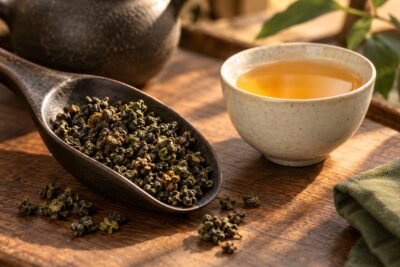
Superfine Taiwan Moderately-Roasted Dong Ding Oolong Tea
Dongding, Lugu Township, Nantou, Taiwan · May 18, 2026
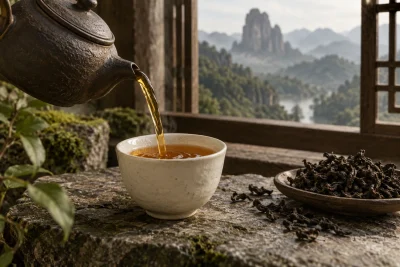
Da Hong Pao Wuyi Rock Oolong Tea
Wuyi Mountain, Nanping, Fujian, China · 2025-04-30
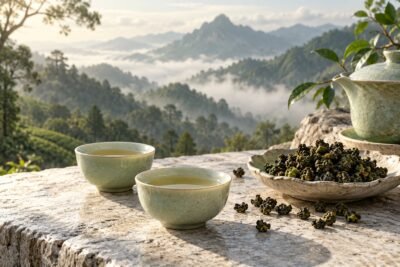
Nonpareil Taiwan Li Shan Oolong Tea
Fushoushan Farm, Lishan Mountain, Taichung, Taiwan · October 26, 2025
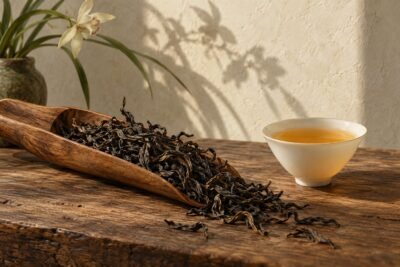
Da Wu Ye (Big Dark Leaf) Phoenix Dan Cong Oolong Tea
Fengxi Village, Fenghuang, Chaozhou, Guangdong, China · May 18, 2026