Ya Shi Xiang review: flowers, fruit and a little bite
Ya Shi Xiang offers a floral-fruity Dancong direction with a warmer baked background. Gardenia and peach-like impressions give it interest, but the cup can also turn sour, drying or bitter. It suits a drinker willing to adjust a short-infusion session rather than chase the aroma by steeping longer.
We may earn a commission if you buy through our links. Affiliate disclosure.
At a Glance
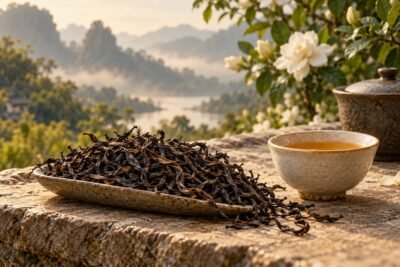
KEY FEATURES
- Ya Shi Xiang Dancong; slightly baked twice
- Wuye Dan Cong
- Cup: 3 g / 355 mL / 100°C (212°F) / 3–5 min
Tea assessment
Research-based editorial fit scores, not personal testing or measured intensity. Historical customer experiences may differ from the current batch.
Floral, fruit and baked notes support a varied aromatic role.
Sweet returning fragrance coexists with sourness and dryness.
The cup can become bitter toward the long end of the time range.
Pleasant repeat infusions are reported, without a reliable nine-cup promise.
PROS
- Floral and fruit impressions give the session variety.
- A lingering sweet finish can follow the sharper opening.
CONS
- Longer contact can bring bitterness or dryness.
- The floral intensity may be less than expected.
A floral Dancong with a baked background
The appeal of this standard Ya Shi Xiang is the interaction of flowers, fruit and warmth. Detailed feedback places gardenia- and peach-like impressions alongside baked, woody or roasted notes. That makes it a different proposition from buying a purely delicate floral perfume: the warmer side can be part of what you enjoy, rather than something to brew away.
Judge the finish as well as the first sip
| What the source accounts describe | What it means for a sample |
|---|---|
| An initially sour or slightly drying cup followed by floral-fruity sweetness | Notice whether the finish makes the opening enjoyable for you. Do not assume every drying sensation will be rewarded. |
| Floral taste even when the wet leaves seem less floral | Smelling the leaves alone can miss the reason someone likes the liquor. |
| A pleasant but less floral or less forceful cup than expected | The aroma name and higher-grade alternatives do not guarantee the intensity of this exact listing. |
Those descriptions come from different historical sessions, not a fixed sequence you should expect to reproduce. The important boundary is personal: a sweet aftertaste can be engaging, but it does not oblige you to accept bitterness that dominates the cup.
Start the cup before the long end of the range
The conventional-cup feedback includes better enjoyment around three to four minutes and a little bitterness at five. That supports trying the shorter end of the merchant’s stated cup range first. It is a starting adjustment, not a promise that every harvest will respond identically.
Cup
3 g / 355 mL / 100°C (212°F) / 3–5 min. Decant at the chosen time. The cup instructions do not specify a rinse.
Gongfu
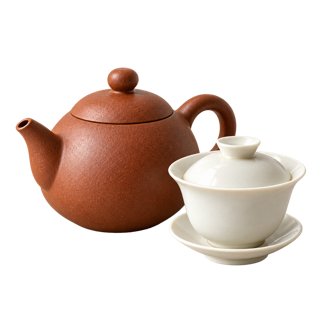
8 g / 110 mL / 100°C (212°F). Approximately 5 seconds. Infusion sequence: 10, 15, 15, 20, 30, 50, 70, 100, 130 seconds. Drain fully between pours.
Choose gongfu if you want to examine how the baked and floral impressions change across separate pours. For a purchasing comparison, Ya Shi Xiang versus Mi Lan Xiang contrasts the gardenia-fruit proposition with honey-orchid character. Neither name establishes which will smell stronger in your cup.
Pros & Cons Analysis
Based on supplied customer reviews and verified product documentation
Pros
- Gardenia-like fragrance, peach-like sweetness and a baked background provide more than a single scent to follow. The exact balance varies across the original accounts.
- The return of sweetness after a sour or lightly drying sip is part of the appeal in detailed feedback. This is a preference for contrast, not evidence that the cup is uniformly soft.
Cons
- A cup-method account prefers three to four minutes and finds bitterness at five. Early astringency also appears in a detailed gongfu session, so full decanting and attentive timing matter.
- Some drinkers enjoy the tea yet wish it were more floral. Do not purchase it solely on a promise of a large perfume-like impact.
Our verdict
Sample Ya Shi Xiang for a floral-fruity cup with enough roast and sour-sweet contrast to stay interesting. Choose Mi Lan Xiang if its honey-orchid direction sounds closer to your preference, but test the actual teas: neither name guarantees a stronger scent.
Frequently Asked Questions
Is this the Nonpareil Wudong Ya Shi Xiang?
No. This review concerns the standard Ya Shi Xiang Phoenix Dan Cong listing from Pingkengtou.
Does the flavor description mean peach or gardenia is added?
No such ingredient claim follows from a tasting description. Those terms describe reported aromas and flavors; check the exact ingredient declaration if additives matter.
Tea details
| Tea style | Ya Shi Xiang Dancong; slightly baked twice |
|---|---|
| Seller-stated origin | Pingkengtou Village, Fenghuang, Guangdong, China |
| Cultivar | Wuye Dan Cong |
| Listed harvest | May 18, 2026 |
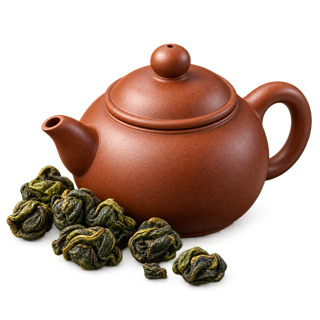
| Leaf form | Twisted strips |
| Added flavoring | Not independently verified; aroma names are not ingredient declarations |
| Cup leaf weight | 3 g |
| Cup water volume | 355 mL |
| Water temperature | 100°C / 212°F |
| Cup infusion time | 3–5 min |
| Gongfu leaf weight | 8 g |
| Gongfu water volume | 110 mL |
| Gongfu rinse | Approximately 5 seconds |
| Gongfu infusion sequence | 10, 15, 15, 20, 30, 50, 70, 100, 130 seconds |
Taiwan Dong Ding (Tung Ting) Oolong Tea
Dongding, Lugu Township, Nantou, Taiwan · May 18, 2026
Taiwan Wen Shan Baozhong (Pouchong) Oolong Tea
Zhushan, Nantou, Taiwan; garden listed as Shan Lin Xi Tea Area · May 3, 2026
Rou Gui Oolong Tea
Zheyang Village, Wuyi Mountain, Nanping, Fujian, China · April 30, 2025
Taiwan Jin Xuan Milk Oolong Tea — Flavored
Ali Shan, Chiayi County, Taiwan · 2026-05-02