Lao Cong Mi Lan Xiang Phoenix Dan Cong Oolong Tea Review
Mi Lan Xiang earns consideration for honeyed, floral and fruit-like aromas, but this Dan Cong asks you to pay attention to the finish. Its attraction is not simply sweetness: a fragrant opening can become woody, drying or bitter as the infusion develops. It suits a drinker willing to adjust a measured brew more than someone seeking a reliably effortless mug.
We may earn a commission if you buy through our links. Affiliate disclosure.
At a Glance
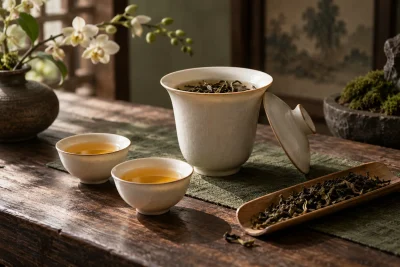
KEY FEATURES
- Phoenix Dan Cong oolong
- Fenghuang Town, Chaozhou, Guangdong, China
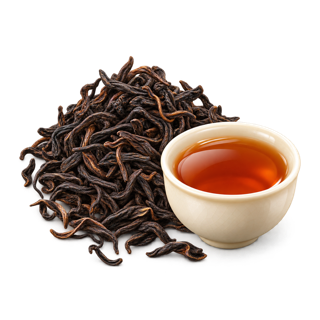
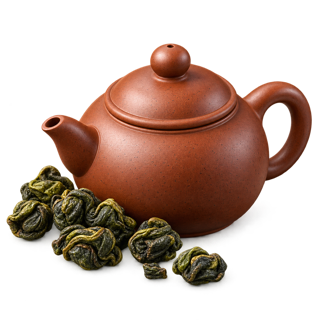
- Twisted dark strip leaves
Tea assessment
Research-based fit assessment from merchant documentation and selected customer feedback; not a personal tasting score.
Honey/floral/fruit complexity gives a clear aromatic fit, with contrary woody accounts.
Substantial texture is offset by drying or bitter finishes.
Large method-ratio differences and timing sensitivity make adjustment important.
Early-to-late changes are interesting but not consistently pleasant.
PROS
- Honey, flower and fruit impressions offer aromatic variety
- A substantial texture appears in favorable feedback
- Short pours allow a closer look at flavor changes
CONS
- Bitterness and a drying finish can interrupt the sweetness
- Woodier experiences may disappoint fruit-focused buyers
Mi Lan Xiang is an aromatic tea with a practical catch: enjoying its honeyed or fruity opening does not mean enjoying its later finish. The source accounts include peach, lychee and flowers, but also wood, bitterness and drying astringency. Consider it if paying attention between pours is part of the pleasure you want from tea.
Dan Cong as a larger cup
3 g leaf · 355 mL water · 100°C/212°F · 3–5 minutes.
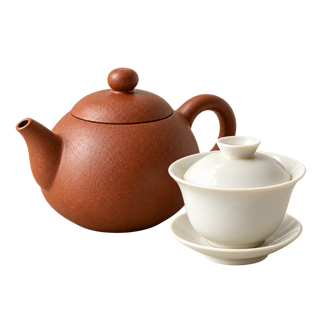
The merchant lists this larger-cup method. Separate the liquid from the leaves when the timed infusion ends.
Use this complete set of quantities for the cup approach; it is not a scaled version of the short-pour schedule.
Dan Cong as a timed session
8 g leaf · 110 mL water · 100°C/212°F.
Merchant rinse instruction: around 5 seconds. Infusions: 10, 15, 15, 25, 20, 30, 45, 90 seconds, in the listed order.
The merchant’s sequence moves from 25 seconds back to 20 seconds. That order is retained as recorded, not silently corrected. No fixed bitterness-free setting is established.
The finish decides whether the fragrance is enough
Favorable feedback brings honey-like sweetness and floral or fruit impressions together with a medium or fuller texture. Other accounts put woody flavors ahead of fruit, or describe an appealing beginning that becomes bitter later. The fragrance and the finish need to be considered together; a name associated with honey does not promise a uniformly sweet session.
Short pours are rewarding in some of the original accounts, but that is a reason to explore timing, not a guarantee. If your usual habit is to leave leaves sitting in a mug, the attention this tea can require is part of the buying decision.
Respond to the cup, rather than chase the tasting name
| What you notice | A useful next decision |
|---|---|
| Fragrant opening, then excessive strength | Keep the dose and water volume recorded; try shorter contact on the next preparation so you can assess that change. |
| Dry finish with little fruit | Do not automatically add time to chase sweetness. Notice whether extra extraction improves the flavor or mainly adds dryness. |
| Wood remains the dominant flavor | That direction appears in the feedback too. Decide whether you enjoy it before committing to more leaf. |
These are adjustment suggestions, not a tested replacement recipe. The Dan Cong troubleshooting guide develops the process of changing one setting at a time. A sample has answered its question even if the result is that this combination of fragrance and finish is not for you.
Pros & Cons Analysis
Based on supplied customer reviews and verified product documentation
Pros
- The useful attraction is a layered aromatic experience: honey-like sweetness, flowers and fruit can appear together. Choose it because those impressions interest you, while recognizing that tasting descriptors describe perceptions rather than ingredients.
- Some favorable accounts describe a medium-to-thick or coating texture. That can give the floral aroma more substance, particularly for someone who finds a delicate fragrant tea too slight.
- Short-infusion feedback provides a reason to use a small brewer and observe the tea between pours. It is an exploratory advantage for an attentive drinker, not proof that flash steeping removes bitterness.
Cons
- Feedback includes a strong change from a sweet opening to bitterness or astringency later. That makes timing and complete decanting meaningful parts of the purchase decision, especially if you normally leave leaves sitting in a mug.
- Some cups are described more as wood and roast than honey and fruit. Increasing time to chase the name’s promised aroma may increase dryness instead; a sample is the more useful way to test fit.
Is an attentive aromatic session your goal?
Worth a measured trial
Choose Mi Lan Xiang if exploring a fragrant tea over several short pours is part of the pleasure. Keep notes on aroma and finish separately so sweetness does not conceal an unwelcome dry aftertaste.
Better to start more simply
If you want one unattended mug with little adjustment, begin with a less demanding routine. The beginner oolong shortlist separates floral, creamy and roasted preferences without promising a bitterness-free winner.
Frequently Asked Questions
Is honey added to Mi Lan Xiang?
The honey wording in this review describes aroma and taste impressions. An added-honey ingredient is not established by the checked evidence.
Why does the listed gongfu sequence go from 25 to 20 seconds?
That is the order displayed by the merchant. It is preserved as documented rather than rewritten as a uniformly increasing sequence.
Will boiling water always make it bitter?
The merchant specifies 100°C water, while customer outcomes vary. Leaf concentration, contact time and your own preference also matter; no bitterness-free setting is established.
Tea details
| Tea style | Phoenix Dan Cong oolong |
|---|---|
| Seller-stated origin | Fenghuang Town, Chaozhou, Guangdong, China |
| Cultivar | Mi Lan Xiang variety (seller-stated) |
| Listed harvest | 2026-05-20 |
| Leaf form | Twisted dark strip leaves |
| Added flavoring | Not established by an explicit ingredient statement in this check |
| Cup leaf weight | 3 g |
| Cup water volume | 355 mL |
| Water temperature | 100°C / 212°F |
| Cup infusion time | 3–5 minutes |
| Gongfu leaf weight | 8 g |
| Gongfu water volume | 110 mL |
| Gongfu rinse | Around 5 seconds |
| Gongfu infusion sequence | 10, 15, 15, 25, 20, 30, 45, 90 seconds |
Taiwan Jin Xuan Milk Oolong Tea — Unflavored
Ali Shan, Chiayi County, Taiwan · 2026-05-02
Tie Guan Yin Iron Goddess Oolong Tea
Anxi County, Quanzhou, Fujian, China · 2026-05-18; season label conflicts
Da Hong Pao Wuyi Rock Oolong Tea
Wuyi Mountain, Nanping, Fujian, China · 2025-04-30
Taiwan Jin Xuan Milk Oolong Tea — Flavored
Ali Shan, Chiayi County, Taiwan · 2026-05-02