Fengqing Dragon Pearl review: a slow-opening black tea
Fengqing Dragon Pearl is a black tea to consider for a warming, malty cup with chocolate-like sweetness. Its rolled format looks convenient, but the merchant recipe is measured in grams rather than a fixed number of pearls. The longer cup steep and occasional tobacco or burnt-crust impressions are the main checks before buying.
We may earn a commission if you buy through our links. Affiliate disclosure.
At a Glance
KEY FEATURES
- Fengqing Dian Hong black tea pearls
- Lida Village, Mengyou, Fengqing, Lincang, Yunnan, China
- Cup: 5 g / 355 mL / 90°C / 194°F / 5–8 min
Tea assessment
Research-based editorial fit scores, not personal testing or measured intensity. Historical customer experiences may differ from the current batch.
Malty, honeyed and chocolate-like impressions suit a warming cup; dark tobacco notes divide preferences.
Soft, substantial cups are a positive theme, though burnt bitterness is also reported.
Weigh the pearls and allow a longer cup steep; pearl count is not a reliable dose.
Repeated cups can remain pleasant, but are not consistently complex or dramatic.
PROS
- Malt, chocolate and honey-like notes support a warming cup.
- Smooth, substantial texture appears in positive accounts.
- Repeated infusions can remain pleasant rather than dramatic.
CONS
- Tobacco, wood or burnt-crust impressions can be unwelcome.
- The cup recipe takes time, and pearl count is not a verified dose.
- General picking copy conflicts with the listed harvest date.
A pearl is a shape, not a standardized serving
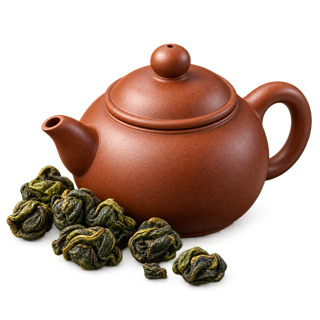
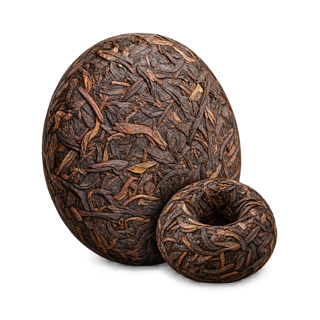
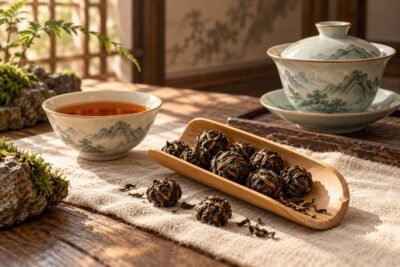
These are hand-rolled black tea pearls from Fengqing in Yunnan, not jasmine green-tea pearls and not a pu-erh dragon ball. The seller gives five grams for both its cup and gongfu preparations. Without a verified weight per pearl, “one pearl per cup” is not an equivalent recipe.
Weigh the portion you use and leave enough room for it to open. The cup method’s five-to-eight-minute range is noticeably longer than the Dian Hong Golden Tip recipe. That makes the pearl format less compelling if your main aim is a quick three-minute mug.
Chocolate can come with darker notes
The reason it earns repeat cups
Customer feedback describes malt, honey-like sweetness, chocolate associations and a smooth or full texture. Some drinkers value consistency across infusions more than dramatic complexity.
The reason to sample before stocking up
The same evidence includes tobacco, wood and a strongly disliked burnt-bread impression. “Chocolate” on the listing is not a promise of a uniformly sweet, dessert-like cup.
There is also disagreement about complexity: a comforting, reliable daily tea can feel unremarkable to someone looking for a changing sequence of flavors. Neither response proves the other wrong. Choose according to the kind of black-tea session you enjoy.
Brewing starting points
The exact TeaVivre listing supplies these two preparations. Keep the dose, water and time together when choosing a method.
Cup method
5 g · 355 mL · 90°C / 194°F · 5–8 min. Separate the tea from the leaves after the timed steep. No cup-method rinse is specified.
Gongfu method
5 g · 110 mL · 90°C / 194°F. Infusions: 20, 20, 30, 40, 60 s; rinse listed, duration unspecified. Decant each infusion fully.
Give the format a fair first try
Start with the exact dose and water amount, then follow one method through. Watch how the leaves open, but judge the infusion by taste rather than appearance alone. If the cup is already strong at five minutes, decant; do not wait for eight just because the range allows it.
When the roast-like or tobacco impression itself is unwelcome, a longer steep is not an obvious cure. Try a smaller sample of another profile instead of buying a large pack and hoping milk will hide the difference. The Dragon Pearls versus Golden Tip comparison separates their recipes and customer evidence.
Pros & Cons Analysis
Based on supplied customer reviews and verified product documentation
Pros
- A comforting role is supported. The read set often connects malty sweetness and chocolate associations with satisfying regular drinking. This is a flavor direction to sample, not proof that the tea contains cocoa or honey.
- Richness need not mean harshness. Positive descriptions combine body with softness. They give a reason to consider it for a plain cup, while the bitter or burnt impression in contrary feedback prevents a blanket smoothness claim.
- Consistency can be its attraction. Some accounts describe pleasant repeated gaiwan infusions without exceptional complexity. That suits an easygoing session more than a search for a new flavor in every cup.
Cons
- The darker side may dominate your impression. Wood and tobacco are enjoyable to some drinkers, while burnt-bread character is strongly disliked in one account. A high aggregate score does not resolve that personal preference.
- Portioning still needs attention. The official recipe uses weight and a longer cup steep. The shape does not establish a fixed serving or eliminate the need to measure.
- Do not pay for an unconfirmed picking claim. The displayed May harvest and generic early-spring description disagree. The date should be resolved before treating this as a specific pre-Ming purchase.
Our verdict
Sample these pearls if a warming, malty black tea and a slower cup fit your routine. Weigh them, allow the documented brewing time, and check whether the darker notes appeal. Choose loose Golden Tip instead when its shorter cup recipe and easier dose adjustment better fit the way you make tea.
Frequently Asked Questions
How many pearls should I put in a cup?
The merchant specifies 5 g, not a pearl count. Weigh the portion because no fixed weight per pearl is verified.
Are these jasmine pearls or pu-erh?
Neither. This listing is a Fengqing black tea rolled into pearls.
Is the listed tea definitely pre-Ming?
No. The summary harvest date and general picking description conflict. Ask the merchant about the selected batch if that distinction matters.
Tea details
| Tea style | Fengqing Dian Hong black tea pearls |
|---|---|
| Seller-stated origin | Lida Village, Mengyou, Fengqing, Lincang, Yunnan, China |
| Cultivar | Fengqing large-leaf tea bush species |
| Harvest date | 2026-05-18 |
| Cup method: leaf | 5 g |
| Cup method: water | 355 mL |
| Cup method: temperature | 90°C / 194°F |
| Cup method: time | 5–8 min |
| Gongfu method: leaf | 5 g |
| Gongfu method: water | 110 mL |
| Gongfu method: temperature | 90°C / 194°F |
| Gongfu infusion sequence | 20, 20, 30, 40, 60 s; rinse listed, duration unspecified |
| Seller storage instructions | Airtight, opaque packaging; cool, dry place |
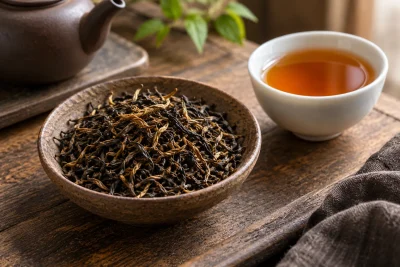
Premium Golden Monkey Black Tea
Fuding City, Fujian Province · 2026-05-18
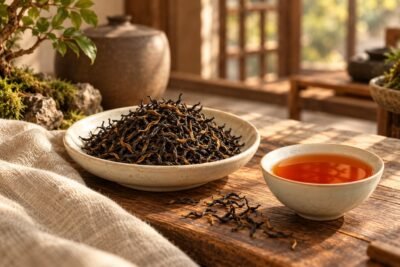
Bailin Gongfu
Mt. Taimu, Bailin, Fuding, Fujian, China · 2026-05-18
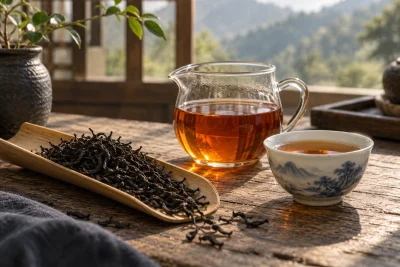
Lapsang Souchong Wild Black Tea
Wuyi Mountain, Fujian Province · 2026-04-23
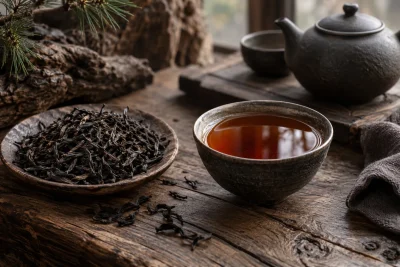
Lapsang Souchong Smoky Black Tea
Tong Mu Guan (桐木关), Wuyi Mountain, Fujian Province · 2025-04-30