Bailin Gongfu review: malt, cocoa and a fruity edge
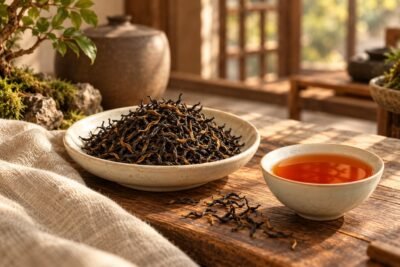
Bailin Gongfu is an interesting choice when a soft black tea still needs some substance. The customer evidence centers on malt, bread and cocoa, with fruit adding character that not everyone enjoys. It is worth a sample for a plain cup, but its aromatic richness should not be mistaken for guaranteed smoothness or a fixed number of infusions.
We may earn a commission if you buy through our links. Affiliate disclosure.
At a Glance
KEY FEATURES
- Bailin Gongfu black tea
- Mt. Taimu, Bailin, Fuding, Fujian, China
- Cup: 3 g / 355 mL / 90°C / 194°F / 3–5 min
Tea assessment
Research-based editorial fit scores, not personal testing or measured intensity. Historical customer experiences may differ from the current batch.
Malt, cocoa and fruit provide interest for drinkers who enjoy a darker black-tea profile.
Smooth or thick cups coexist with roughness, astringency and fruit notes that can clash.
Both cup and gongfu recipes are documented; broken-leaf reports favor attentive timing.
Flavor development across steeps is reported, alongside accounts of early fading.
PROS
- Malt, bread and cocoa give it a substantial flavor direction.
- Soft texture and sweet finishes appear in positive feedback.
- Both cup and gongfu methods have documented starting recipes.
CONS
- Fruit alongside malt may not suit a simpler black-tea preference.
- Dryness, broken leaf and early fading occur in contrary feedback.
More than a sweet-potato description
TeaVivre describes this Fujian black tea in terms of sweet potato and honey. Original customer feedback broadens that picture: bread crust, malt, cocoa and fruit all feature, while a few experiences lean darker or earthier. These are reported flavor associations, not ingredients or the results of our own tasting.
That distinction matters if you are choosing from a list of “chocolate” black teas. Bailin’s appeal can include a grain-like quality and a fruity edge rather than a single dessert-like note. A customer can enjoy the malt while finding the fruit less harmonious; another can find the same combination the reason to reorder.
Choose the session before chasing endurance
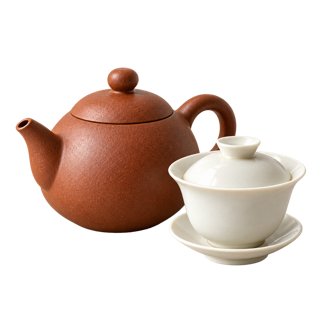
The name gongfu does not mean you must use a gaiwan. The merchant supplies a long cup recipe as well as short successive infusions. Customer feedback supports both, with some reports of satisfying late steeps and others of flavor fading after only a few cups.
Brewing starting points
The exact TeaVivre listing supplies these two preparations. Keep the dose, water and time together when choosing a method.
Cup method
3 g · 355 mL · 90°C / 194°F · 3–5 min. Separate the tea from the leaves after the timed steep. No cup-method rinse is specified.
Gongfu method
5 g · 110 mL · 90°C / 194°F. Infusions: 5, 10, 10, 15, 20, 30 s; rinse listed, duration unspecified. Decant each infusion fully.
A practical first purchase
Use a sample to decide whether the bready, malty character is what you want. Brew the first cup plain so that milk or sweetener does not obscure the distinction you are trying to judge. If you prefer it with additions afterward, that is a preference decision rather than a failed tasting.
For the cup recipe, begin at three minutes and decant fully. If the result is pleasing but too light, extend the next brew within the listed range. If it is drying, do not extend the time simply because the aroma suggests cocoa sweetness. The Chinese black-tea brewing guide explains how dose and method change the comparison.
The merchant page currently shows different aggregate scores in its header and review panel. Until those agree, no single star score is reproduced here. This does not change the flavor evidence, but it is a reason not to rank Bailin by a fraction of a star.
Pros & Cons Analysis
Based on supplied customer reviews and verified product documentation
Pros
- A richer plain cup is plausible. Bread, malt and cocoa reports give the reader a concrete reason to sample it without relying on sweetener for all of the interest. These impressions are not proof of added flavoring.
- Texture can support the aroma. Positive accounts describe thickness with a soft finish, so the attraction is not only the smell of dry leaf. Other drinkers report a drying cup, making preparation and preference important.
- You can choose the preparation you will actually repeat. A conventional cup and a short-infusion session are both supported by the listing. Enjoyable repeat steeps are reported, but the evidence does not promise equal endurance.
Cons
- The fruit is not always an improvement. One detailed account enjoys the malty core yet finds the fruit ill-matched; later fading also removes what made that tea distinctive. Seek a sample if you prefer a straightforward grain-led profile.
- Some batches or preparations disappoint. A report of broken leaves, astringency and early loss of flavor counters the forgiving-tea narrative. It cannot establish how often this happens, but it belongs in the purchase decision.
Our verdict
Choose Bailin Gongfu when malt and cocoa appeal and you are open to fruit or sweet-potato-like accents. It is a useful sample for a substantial plain cup, with a conventional brewing option. Choose a different profile if a drying finish or a fruity overlay would undermine what you want from black tea.
Frequently Asked Questions
Does gongfu in the name require special equipment?
No. The merchant provides a 355 mL cup method as well as a 110 mL gongfu method.
Why is there no customer star score here?
The inspected merchant page shows 4.5 in its header and 4.6 in the review panel. We have left the aggregate unrated rather than choose between conflicting displays.
Tea details
| Tea style | Bailin Gongfu black tea |
|---|---|
| Seller-stated origin | Mt. Taimu, Bailin, Fuding, Fujian, China |
| Cultivar | Fuding Dahao |
| Harvest date | 2026-05-18 |
| Cup method: leaf | 3 g |
| Cup method: water | 355 mL |
| Cup method: temperature | 90°C / 194°F |
| Cup method: time | 3–5 min |
| Gongfu method: leaf | 5 g |
| Gongfu method: water | 110 mL |
| Gongfu method: temperature | 90°C / 194°F |
| Gongfu infusion sequence | 5, 10, 10, 15, 20, 30 s; rinse listed, duration unspecified |
| Seller storage instructions | Airtight, opaque packaging; cool, dry place |
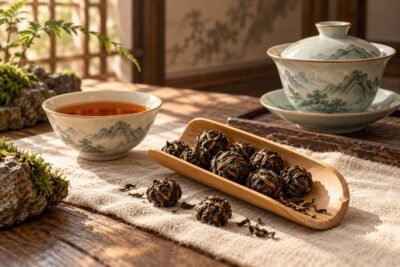
Fengqing Dragon Pearl Black Tea
Lida Village, Mengyou, Fengqing, Lincang, Yunnan, China · 2026-05-18
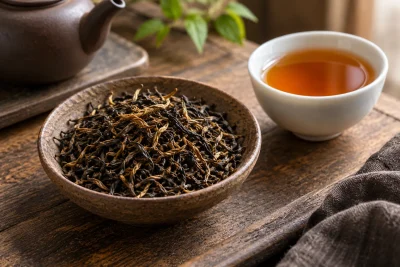
Premium Golden Monkey Black Tea
Fuding City, Fujian Province · 2026-05-18
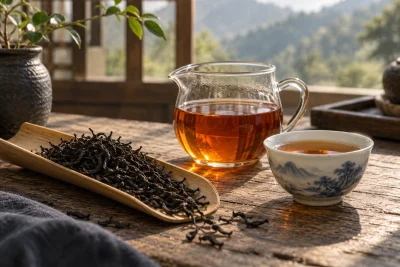
Lapsang Souchong Wild Black Tea
Wuyi Mountain, Fujian Province · 2026-04-23
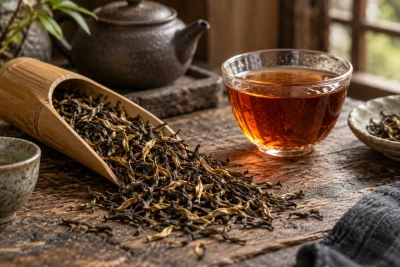
Yun Nan Dian Hong Black Tea Golden Tip
Lida Village, Desili, Mengyou Town, Fengqing County, Lincang City, Yunnan Province · 2026-04-08