Silver Needle review: a delicate bud tea with a texture-first appeal
Silver Needle is most relevant to a drinker who enjoys subtle sweetness, a clean finish and the texture of a light tea.
We may earn a commission if you buy through our links. Affiliate disclosure.
At a Glance
KEY FEATURES
- Style: Silver Needle
- Seller-stated origin: Fuding City, Fujian Province, China
- Listed harvest: 2025-05-16
- Cup recipe: 3 g / 355 mL / 85°C / 185°F / 5–8 min
Tea assessment
Research-based editorial assessment for the uses described below, not personal tasting or hands-on testing. Scores are qualitative judgments out of 5, separate from customer stars; historical feedback may cover other harvests or variants.
Honey-like sweetness is supported; floral expression may be faint.
Mouthfeel can appeal even when flavor seems too light.
Measure the bud dose for the chosen method; more intensity is not guaranteed.
Lingering sweetness supports exploration, without a measured repeat-infusion yield.
PROS
- Clean, gently sweet character
- Texture can be part of the attraction
CONS
- Flavor can be too faint
- Sample condition can vary
Its bud-focused presentation can be attractive, but the customer synthesis makes the main risk clear: some drinkers find the brewed flavor too faint even when they appreciate the mouthfeel.
Texture may be easier to notice than flowers
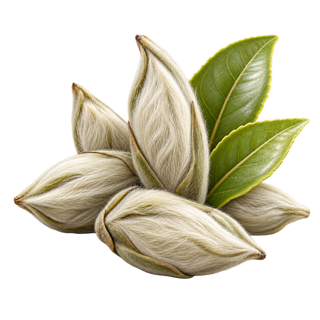
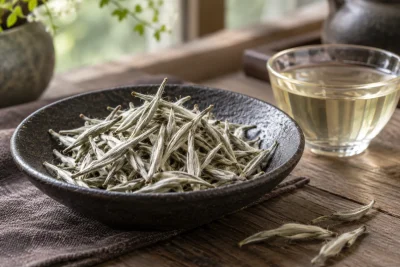
The favorable evidence includes honey-like sweetness, gently creamy or soybean-like impressions and a smooth cup. Floral detail is not equally obvious in all the assessed experiences. Approach it as a quiet tea to explore, not a guarantee of intense perfume because the dry buds look special.
Lightness is not a test you have to pass
A number of contrary impressions describe thin or barely noticeable flavor. That does not mean the drinker failed to understand white tea. If a gentle cup is not satisfying, a leafier White Peony or another tea category may be a better use of your next purchase.
Silver Needle: measure buds for the method you choose
Cup & infuser
3 g / 355 mL / 85°C / 185°F / 5–8 min. Begin at the lower end of the stated time range, then separate the leaves from the drink. Taste before changing one setting in the next cup.
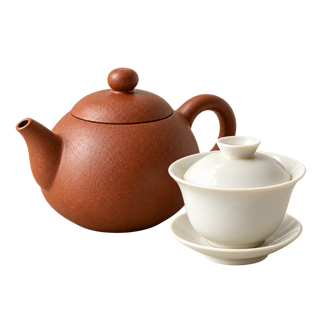
Gongfu & gaiwan
4 g / 110 mL / 85°C / 185°F. Rinse: around 5 seconds. Drinking infusions: 45 → 60 → 90 → 105 → 140 → 180 seconds. Pour off each infusion before the next.
Source: the exact merchant brewing instructions, checked October 3, 2026. These are starting recipes, not in-house test results.
Judge mouthfeel separately from flavor strength
| What matters to you | What to try or consider |
|---|---|
| The first cup seems empty | Check the current 3 g / 355 mL dose and 5–8 minute range before judging from a much shorter cup steep. Change one parameter at a time. |
| You are shopping for strong floral aroma | Treat the gentle style and the actual feedback as more useful than the visual appeal of the buds. Compare a small amount before committing to a costly pack. |
For a wider preparation or selection decision, use how to brew white tea: buds, leaves and mini cakes. The recipe here remains the starting point for this exact tea.
For storage, the merchant specifies: Store in cool, dry place away from sunlight; keep ventilated.
Review basis: selected original customer feedback across harvests, combined with merchant documentation; no personal tasting or customer-consensus calculation.
Pros & Cons Analysis
Based on supplied customer reviews and verified product documentation
Pros
- A subtle cup can still have interest. The evidence includes lingering honey-like sweetness and a refreshing, smooth finish. This supports choosing it for attention to small flavor changes rather than a forceful mug.
- Body and flavor intensity are different. Even some less enthusiastic flavor reports appreciate the mouthfeel. That distinction helps a reader decide whether texture is a benefit they actually value.
Cons
- Delicacy may not meet your expectation. Weakness and limited aromatic expression recur in the assessed contrary texts. Do not assume that more prestigious-looking buds will deliver more obvious flavor.
- Inspect rather than assuming perfect buds. The evidence includes isolated reservations about broken material or a dusty impression. These cannot establish a current defect rate, but they qualify the expectation of an immaculate bud-only presentation in every delivered pack.
Silver Needle for subtlety and texture
Where Silver Needle White Tea Bai Hao Yin Zhen fits
Choose Silver Needle when a subtle, texture-led tea sounds enjoyable in its own right.
The preference that rules it out
If you want a vivid cup without close attention, it may not be the right first white tea.
Before a larger purchase
The decision should be about your pleasure in delicacy, not the idea that buds must be superior to leaves.
Frequently Asked Questions
What is the cup recipe for this tea?
3 g / 355 mL / 85°C / 185°F / 5–8 min. Use the current pack instructions if its identity differs.
Is this based on your own tasting?
No. It synthesizes original customer feedback and merchant documentation. The assessment bars are research-based suitability judgments, not personal tasting results.
How should I store it?
Store in cool, dry place away from sunlight; keep ventilated. Follow the instructions supplied with your exact pack.
Tea details
| Tea style | Silver Needle |
|---|---|
| Seller-stated origin | Fuding City, Fujian Province, China |
| Cultivar | Fuding Dabaihao |
| Harvest date | 2025-05-16 |
| Cup method: leaf | 3 g |
| Cup method: water | 355 mL |
| Cup method: temperature | 85°C / 185°F |
| Cup method: time | 5–8 min |
| Gongfu method: leaf | 4 g |
| Gongfu method: water | 110 mL |
| Gongfu method: temperature | 85°C / 185°F |
| Gongfu infusion sequence | 45, 60, 90, 105, 140, 180 s; rinse: around 5 seconds |
| Seller storage instructions | Store in cool, dry place away from sunlight; keep ventilated |
| Leaf format | Loose leaf |
| Production date | Not applicable — loose leaf |
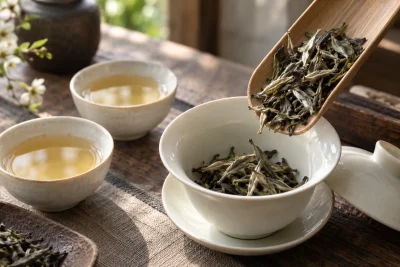
Premium White Peony Bai MuDan Tea
Mt. Taimu, Fuding City, Fujian Province · 2025-05-16
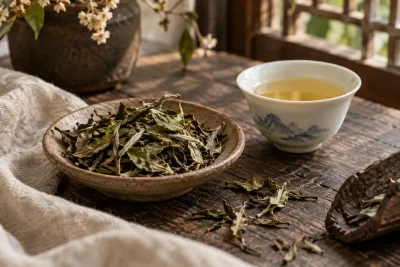
White Peony Bai MuDan Tea
Mt. Taimu, Fuding City, Fujian Province · 2026-05-13
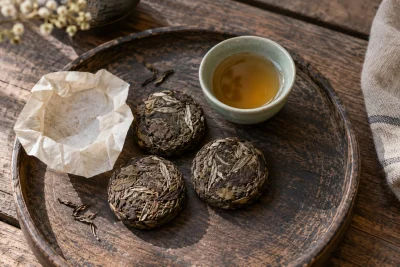
Fuding Shou Mei White Tea Mini Cake
Dieshi Town, Fuding City, Fujian Province · 2018-07-20