Huang Shan Gongju chrysanthemum infusion review
Huang Shan Gongju is a whole-flower infusion for someone who enjoys a light floral-herbal cup and the sight of blossoms opening. The important tradeoff is bitterness: favorable mild sweetness and a bitter finish both appear in the customer evidence.
We may earn a commission if you buy through our links. Affiliate disclosure.
At a Glance
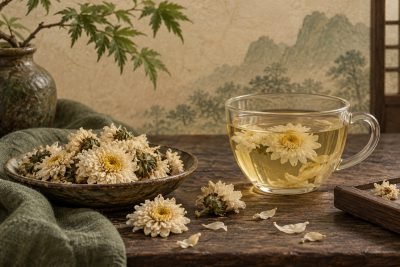
KEY FEATURES
- Whole Gongju chrysanthemum flowers; white petals and yellow centers
- Shexian, Huangshan, Anhui origin stated by TeaVivre
- Listed harvest: November 12, 2025
- Sold as caffeine-free; no sleep-effect claim established
Tea assessment
Research-based editorial fit assessment, not hands-on testing or personal tasting. Unknown performance remains unrated. Historical feedback may concern an earlier batch.
Conditional appeal for floral-herbal and earthy preferences; mildness and bitterness both occur.
Pleasant mild sweetness is balanced by a bitter finish in contrary feedback.
Measured dosing is useful, but the exact listing lacks a complete recipe and stronger preparation can disappoint.
No sufficiently consistent product-specific repeat-infusion sequence or outcome.
PROS
- Whole blossoms add visual interest
- Floral-herbal character appeals to flower-infusion drinkers
- Caffeine-free according to the merchant
CONS
- Bitterness can outweigh the mild sweetness
- Not a strong tea-like flavor replacement
A pale cup can still have a distinct finish
The customer descriptions place this infusion around floral, herbal and earthy flavors, with some grassy or cooling associations. Those are taste impressions, not additional ingredients. It is better approached as a flower drink than as a substitute expected to reproduce green or black tea.
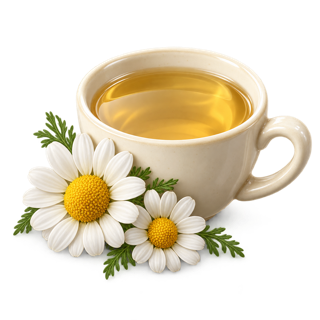
The flowers’ appearance matters to the experience: whole blossoms opening in the water are part of the appeal in the feedback. A heatproof glass vessel can make that visible, but attractive flowers do not guarantee a sweet cup. Customer accounts range from pleasant mild sweetness to bitterness strong enough to motivate sweetening.
Keep the bitter side in the buying decision
Longer or stronger preparation is not a reliable route to a better cup. The original feedback includes bitterness when trying to intensify a mild infusion, as well as an account finding the tea very bitter. That contrary evidence is a reason to begin with a small pack if possible, rather than assuming that every flower infusion is soft or naturally sweet.
A measured first cup, with the recipe gap visible
Starting trial, not an exact merchant recipe
3 g flowers · 300 mL water · rolling boil · at least 5 minutes. TeaVivre’s general chrysanthemum article supplies the 3 g and five-minute starting point but omits volume. The 300 mL volume is an editorial adaptation, not a tested optimum.
Adjust concentration afterward
Strain after the completed hot steep. If the cup is bitter, reduce the next flower dose while retaining proper hot preparation. No product-specific rinse or repeat-infusion sequence is verified.
The preparation follows BfR’s boiling-water and minimum five-minute guidance for herbal infusions. The fuller chrysanthemum brewing guide explains why dose is the first variable to change. Do not switch to lukewarm water merely to reduce bitterness.
Plain flowers or a deliberate blend
Customer feedback includes blending with black tea or pu-erh, sometimes favorably, but that changes the caffeine status and can change bitterness too. If your purpose is an evening drink without ordinary tea leaves, keep the flower infusion separate and check the other ingredients before blending.
This research assessment uses the original 27 displayed customer records, including repeated identical text, rather than treating every display as independent corroboration. Merchant specifications and the 4.6/5 aggregate from 27 reviews were checked on October 13, 2026. Historical feedback does not establish the quality of every harvest. No personal tasting or health-effect testing is claimed.
Pros & Cons Analysis
Based on supplied customer reviews and verified product documentation
Pros
- Feedback values the blossoms opening in the vessel. That gives a visible element to a simple infusion, especially in clear heatproof glass, without proving anything about freshness or flavor strength.
- Favorable accounts describe an enjoyable mild flower drink. Earthy and grassy impressions also occur, so the attraction is a floral-herbal profile rather than a single guaranteed sweet note.
- The exact product is sold as caffeine-free, making plain preparation relevant to someone avoiding ordinary tea leaves. Adding black tea or pu-erh removes that simple ingredient boundary.
Cons
- The contrary feedback includes a notably bitter cup and bitterness when trying to strengthen the brew. A measured dose and complete straining can help you evaluate your preference, but cannot guarantee that you will like the flower’s finish.
- Some accounts find the drink mild. Extending extraction to imitate the body of black tea can move the cup toward an unwanted finish; choose it for its own flower character.
Choose the flower character, not a promised effect
A reasonable candidate for a caffeine-free, visually engaging flower infusion if you enjoy herbal and earthy notes and can accept some bitterness. Start small and measure the dose. Skip it if you need a reliably sweet, full-bodied tea substitute or are buying primarily for an unverified sleep or health claim.
Frequently Asked Questions
Does Gongju contain caffeine?
The merchant describes the plain product as caffeine-free. Mixing it with ordinary black, green or pu-erh tea introduces tea leaves containing caffeine.
Why is my cup bitter?
The customer evidence includes bitterness, particularly when seeking a stronger cup. Reduce the flower dose on the next attempt while preserving proper boiling-water preparation.
Is there an exact recipe for this listing?
A complete product-specific recipe was not verified. The review clearly identifies its 300 mL starting trial as an editorial adaptation of general chrysanthemum guidance.
Tea details
| Infusion style | Whole Gongju chrysanthemum flower infusion |
|---|---|
| Declared ingredients | Chrysanthemum flowers |
| Seller-stated origin | Shexian, Huangshan, Anhui, China |
| Listed harvest / production | Harvest: November 12, 2025 |
| Caffeine declaration | Caffeine-free, seller stated |
| Cup dry ingredient weight | Exact-product instruction not verified |
| Cup water volume | Exact-product instruction not verified |
| Water temperature | Exact-product instruction not verified; editorial safety method uses rolling boiling water |
| Cup infusion time | Exact-product instruction not verified; editorial starting trial uses at least 5 minutes |
| Rinse instruction | Not specified |
| Repeat-infusion sequence | Not specified |
Watermelon Lychee fruit infusion
Not verified